What is a Sales Lead? A Comprehensive Guide to Lead Generation

Selling your products or services has never been easy. Salespeople work very hard to complete their monthly sales targets. Yet, there is a huge number of sales reps who fail to achieve these goals. You must be wondering why. A big reason is that they can’t identify and qualify their leads.
Every business that wants to make it big in the competitive market must know that it’s important to identify, qualify, and convert a sales lead with the right approach to maximize opportunities and revenue growth.
Want to know what that approach is? In this blog, we’ll explain that.
So, let’s discuss the sales leads meaning and understand how to find a lead and convert it into a paying customer.
What is a Sales Lead?
You start your journey to find the best leads if you know the answer to this question: What is a lead in marketing and sales?
The definition of a lead in marketing and sales is very simple. It can be any business or individual who shows interest in your product or service. They may ask you direct questions, view product demos in videos, read product descriptions on a website or a marketplace, or research it all over the internet.
These leads are opportunities for marketing and sales teams to find a great fit for their business. They aim to:
- Qualify the lead into a prospect who is likely to buy a product or service
- Convert the prospect into a customer who completes a transaction to close the sale
There are many ways to get sales leads. You can either start advertising your products or services, and they discover you on the internet, or reach out to the leads by using email marketing services, running messaging campaigns on WhatsApp or Facebook Messenger, and making direct cold calls.
What are the Types of Sales Leads?
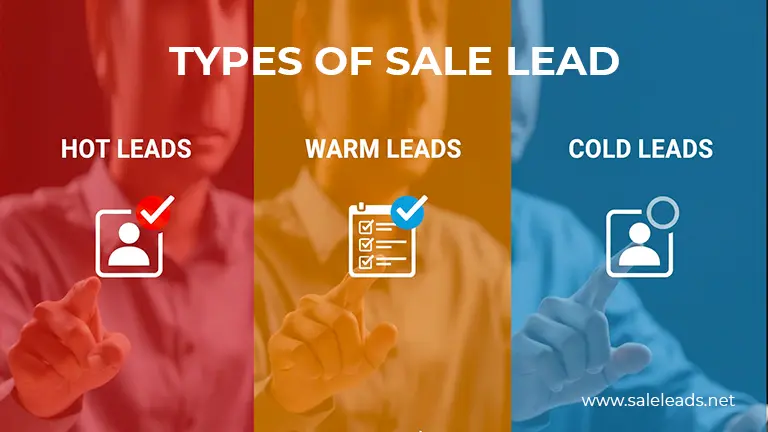
Now, we’ve discussed the very important question: What are leads in sales? Let’s move on and discuss the types of sales leads:
Cold Leads
Cold leads are the contacts who have never interacted with a business before. Marketers find these leads by:
- Buying pre-built databases like phone number lists for cold calling or SMS outreach, or email lists for marketing campaigns
- Searching for contacts across social media platforms, community groups, and other directories
The cold leads are potential clients who match your ideal customer profile or buyer persona. They can be the right audience for your business. Marketers contact these leads by sharing content and resources to spread awareness and educate them about a product or service. The marketers highlight the target’s needs or pain points and then pitch the offerings as a solution.
Warm Leads
Warm leads are the contacts who respond to the marketing content and show interest in what marketers present. They check the offer in many ways. Your leads may download brochures and newsletters, visit the website to see product descriptions, check pricing, accept invites for trade shows, and contact the company for further information.
The warm leads are different from cold leads, because they know a brand, start to get more information, and compare options before buying something.
They aren’t ready for sales, but are closer to the process if they qualify further.
Hot Leads
Hot leads are the target clients who are ready to buy a product or subscribe to a service. All they need is consistent follow-up and more information to make up their mind. They contact the marketers for more information, engage higher to pitches, request a demo, or check pricing.
Now, most marketers get confused here. Many warm leads do the same thing, but the purchase intent is different between warm and hot leads.
Warm leads engage more to get information and compare their options, while hot leads find a product necessary for their needs and can buy it anytime.
Example: You run a company that provides construction estimation services to contractors and reach out to relevant leads from the construction industry. A business sales lead from that list contacts you for information on your services, which they might need later on in the year. This is a warm lead. On the other hand, if a lead wants to start construction work within a month and is ready to start getting your services for accurate estimates, it’s a hot lead.
How to Plan a Successful Lead Generation Strategy?
There are many ways that you can follow to generate leads.
Define Sales Lead
The process always begins when you identify your target audience. Research for the average buyer in your target area and location. Compile data on the buyer’s interests and needs, and find the marketing channels that they use more to discover products or services. Use all that information to create a buyer persona. You can use that persona and build your marketing campaign around it.
Find Your Target Audience
The next step is to find your target audience. You may buy a pre-built contact list of leads for sale to directly start marketing, or plan organic marketing campaigns, which are effective but can take even months for an ideal lead to discover you.
Create Content for Marketing
Use multiple channels to share products and services. For that, you need to:
- Set up a website
- Write blogs
- Create product descriptions
- Prepare service pages
Some leads prefer visual content. So, create infographics and videos to share on Instagram and YouTube.
Create a Lead Magnet
A magnet is an instrument that attracts objects with full force. The same concept applies to the lead magnet. Its purpose is to attract leads. You can start engaging leads by creating lead magnets, where you offer something that drives a quick response.
You may share a free ebook to download, invite the lead to attend an informative webinar, offer a free consultation, or run discounts. These are powerful lead magnets to attract your clients and convince them to learn more about what you’ve got in store for them.
What is the Right Conversion Funnel to Secure Sales?
When you generate leads, you have to qualify them through a complete sales funnel. The most effective sales funnel is the AIDA model. It has four stages:
- Attention: Contact the lead through a custom email or a text on messaging apps. First, introduce yourself and your product or service to check their response.
- Interest: Check if they respond to your emails or texts, and show interest in your product or service by asking basic questions about the product’s use, quality, and pricing.
- Desire: Identify the right leads for your product and service by asking them about their needs. If they want to know more about the product, instead of just random questions, they are potentially closer to buying it.
- Action: Follow up with the lead to know if they’re ready to make a transaction. They may ask you about the payment method and the delivery time. All these questions indicate their interest in buying a product.
Now, it seems simple, but you need a proper practical guide to implement this framework and get the best results out of it. So, let’s discuss.
Segment Your Contacts
Use your contact lists to create segments. Divide them into categories according to their job title or role, location, industry, language, interests, income, budget range, and other available information. It helps you to find the right fit for your product. After filtering, start creating campaigns for the leads who belong to your industry and can afford to buy your product or service.
Score Your Leads
The approach to reaching out to clients is different for jobFunction and C-level executives. A jobholder may be more interested in their personal use and decide to use a service or buy a product if it helps them. On the other hand, a C-level executive is mostly a B2B decision-maker who evaluates a product and tries to find out how it’s the right choice for their business needs.
Make sure to check their role and company size. You can easily decide if the product or service is the right choice for these leads. And then, start creating a campaign for it.
You can also monitor their behaviour to check their response and make a follow-up plan. You may check the number of times they’ve opened your emails, visited your pricing pages, or downloaded resources.
Using that information, score your leads to help understand which of them is closer to buying a product with a strong intent.
Nurture Marketing Leads
Nurture the marketing leads who show interest in your offer but are not ready to buy yet, and want more information before they buy the product. You can continue to follow up with the leads via email or social media. It depends on the channel that you have used to contact them and received a response. You can share blogs, whitepapers, product demos, and case studies with them for more awareness. You can also run paid advertisements to target them.
Convert Interested Prospects
When the lead is ready to buy your product or service, they become a prospect, and it’s time to convert them into a paying customer and close the sale. You may follow up with them to know if they’re interested in the product. They may also contact you directly to get information about payment details. This is where the leads are fully invested in your offer.
Now, we’ll make the process easy for you to understand with this example.
Suppose you run a footwear brand and want to sell your shoes. You’ll first divide your buyers based on the available information, such as:
- Budget range
- Gender or age group
- Location for delivery and climate needs
- Type of shoes they wear (Casual, formal, or sports)
Use the data and segment the buyers who can wear your shoes and afford to buy them. After that, see if they:
- View your product photos
- Ask the shoe’s price
- Try to know if it’s available for them
- Discuss payment and delivery options
You score them to identify their buying intent. The lead who just views a photo and likes it has the lowest buying intent, while the one who wants to know the price is one step ahead. The lead with a higher intent asks if it’s available. And the lead with the highest buying intent is almost ready to buy. This leads to negotiation of payment and delivery.
You can contact the leads who are interested in the product. But they want more details. So, share new products, customer reviews, styling tips, and discount offers with them. You may continue to follow up with them via chats on Facebook and Instagram.
And the leads with the highest buying intent may ask about the shoe size. Without waiting for their response, you can simply respond by telling them that the size number is available and asking them if they want to place an order.
According to market research, 60% of buyers purchase due to fear of missing out. You can leverage that by creating a sense of urgency. You may mention that limited stock is available, so the target lead may make an immediate purchase.
Best Practices for Managing Sales Leads
Let’s discuss some best practices through which you can effectively manage the sales leads.
Buy a Clean List of Leads
A complete and prepared list of target leads is the fastest way to find and contact leads, whether you’re a startup or an established business. But this is a difficult task. It’s because most of these lists are outdated and contain duplicate or invalid contact details. Buying an unverified list may not just waste time and effort, but also lead to compliance issues, especially if you’re an email marketer. The reason is that emails have a high bounce rate, which affects your sender reputation.
You can avoid that issue if you contact a reliable and trusted data provider, such as Sale Leads. These databases include genuine and verified contact lists. The lists are monitored and updated over time to make sure all the contacts are active and functional. Some lists are available with complete contact information for a contact, helping you to create segments for personalized marketing. Plus, reliable providers help you overcome the fear of investing in a random list by offering free samples, which you can try to check if the contacts inside are valid.
It is an important trust factor you must consider when you are choosing to buy lists from a data provider.
Create Personalized Campaigns
71% of buyers prefer personalized marketing over generic cold marketing campaigns, which fail most of the time. 17% of cold emails don’t reach the inboxes. Even if they land there, 95% of cold emails don’t get a response.
This means that you need to create campaigns that connect with your leads. You can do it if you understand their needs and address them in your marketing pitch. Start by mentioning their name and using their maximum available information to create personalized content.
It helps you build trust with your target leads. They consider personalized emails or messages to be genuine and are more likely to block generic campaigns as spam.
Track Your Marketing Campaigns
When you contact leads, regularly track your marketing campaigns to monitor the performance and see the results. Measure these key metrics:
- Lead quality score: The score matches the lead to your ideal customer profile to know if the lead can convert.
- Conversion rate: It’s the percentage of leads that act or complete a transaction. This can be either signing a form, booking an online order, or making an instant purchase.
- Time to conversion: It measures the average duration of a lead to subscribe to or sign up for a service, or buy a product. It is the number of days between the brand’s first interaction with the lead and the required action taken.
- Landing page conversion rate: It is the percentage of leads who visit a landing page and sign up for a service or buy a product through it.
- Click-through rate: It is the percentage of leads who see ads, emails, or links and click on them. CTR should be high. It means that more leads respond to your campaigns.
You can improve it if you automate tracking your marketing campaigns.
Final Thoughts
Access reliable directories to get the best sales leads. These databases give you complete information for custom marketing campaigns. Use the data and reach out to your clients through powerful content and convince them to buy a product or use a service.